
Painful bunions can make everyday activities uncomfortable — from walking and exercising to simply finding shoes that fit. If you’re struggling with a bunion that’s worsening or no longer responding to non-surgical treatment, specialist assessment is essential. Mr Ramsay Refaie, a consultant orthopaedic surgeon specialising in foot and ankle surgery, provides expert bunion surgery for patients in Darlington and the wider Tees Valley, offering personalised care focused on relieving pain, correcting misalignment, and restoring long-term foot function.
Is My Bunion Bad Enough for Surgery?
Bunion surgery may be considered when pain or impairment begins to affect your daily life and non-surgical treatments are no longer effective. You may benefit from a specialist assessment if you experience ongoing pain, difficulty walking or wearing shoes, or notice your bunion worsening over time.
Not all bunions require surgery. As a consultant orthopaedic surgeon specialising in foot and ankle surgery, Mr Ramsay Refaie will carefully assess your symptoms and only recommend surgery if it is the most appropriate option for long-term relief and improved function.
Common Bunion Symptoms
A bunion (hallux valgus) develops gradually and symptoms often worsen over time. Common signs and symptoms include:
- A visible bony lump at the base of the big toe
- Pain or tenderness around the big toe joint
- Swelling, redness, or inflammation
- The big toe drifting towards the second toe
- Difficulty wearing narrow or fitted shoes
- Calluses or corns caused by pressure or friction
- Stiffness or reduced movement in the big toe joint
Symptoms may initially come and go but can become more persistent as the bunion progresses. If bunion pain is affecting your comfort, mobility, or footwear choices, specialist assessment is recommended.
Diagnosis & Assessment
Bunions are usually diagnosed through a combination of clinical examination and imaging. During your consultation, your foot will be carefully assessed to determine the severity and underlying cause of your symptoms.
Assessment typically includes:
- A physical examination of foot alignment and movement
- Review of symptoms and how they affect daily activities
- Weight-bearing X-rays to assess bone position and joint health
This detailed assessment allows an accurate diagnosis and helps determine whether non-surgical treatment is appropriate or if surgery may offer the best long-term outcome. Importantly, surgery is only recommended when it is clinically necessary and tailored to your individual needs.
Non-Surgical Treatment Options
In the early stages, bunion symptoms can often be managed without surgery. Non-operative treatment aims to reduce discomfort and slow progression of the deformity, but it does not correct the underlying bone alignment. Non-surgical options may include:
- Advice on appropriate footwear and shoe modifications
- Custom orthotics or insoles to reduce pressure
- Padding or protective sleeves over the bunion
- Activity modification and pain management strategies
These measures can be effective for mild symptoms. However, if pain persists or the deformity continues to worsen, non-surgical treatment may no longer provide sufficient relief.
Bunion Surgery (Hallux Valgus Correction)
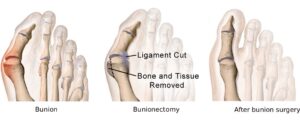
When non-surgical options fail to control symptoms, bunion surgery may be recommended to correct the bunion and relieve pain. The aim of surgery is to realign the bones of the big toe, restore normal joint mechanics, and improve long-term function.
Bunion surgery is not a one-size-fits-all procedure. The surgical approach is carefully selected based on:
- The severity of the bunion
- Joint health and alignment
- Symptoms and activity levels
- Individual anatomy and lifestyle needs
Surgery is typically performed as a day case. Recovery usually involves a period of protected weight-bearing in specialist footwear, followed by a gradual return to normal activities. Clear guidance is provided throughout recovery to support healing and optimise outcomes.
A specialist consultation allows you to understand whether surgery is appropriate for your condition and what results you can realistically expect.
Why Choose Mr Ramsay Refaie?
Choosing the right surgeon is just as important as choosing the right treatment. Ramsay Refaie is a consultant orthopaedic surgeon specialising exclusively in foot and ankle surgery, with extensive experience treating bunions and complex forefoot conditions.
He takes a patient-centred approach, ensuring every assessment is thorough and every treatment plan is tailored to the individual. Surgery is only recommended when it offers the best opportunity for long-term pain relief, improved alignment, and restored function.
Patients benefit from:
- Specialist expertise in foot and ankle surgery
- Evidence-based surgical techniques
- Clear explanation of treatment options and recovery
- Care focused on safe outcomes and long-term results
Bunion Surgery Appointments in Darlington & Tees Valley
Mr Refaie treats patients across the Tees Valley, offering both NHS and private consultations at convenient local locations. Private consultations are available at:
- Woodlands Hospital, Darlington
- Nuffield Tees Hospital
- Tees Valley Hospital
Appointments can be arranged quickly, with clear guidance on next steps following assessment.
Frequently Asked Questions About Bunion Surgery
Is bunion surgery painful?
Discomfort is expected after surgery, but pain is well managed with modern techniques and appropriate aftercare.
How long does recovery take?
Recovery varies depending on the procedure, but most patients return to normal footwear and activities gradually over several weeks.
Will the bunion come back?
When surgery is appropriately planned and performed, recurrence is uncommon, though long-term foot care remains important.
Will I need to stay in hospital?
Bunion surgery is usually performed as a day-case procedure.
Do I need a GP referral?
A referral may be required for NHS treatment. Private consultations can usually be arranged directly.
Request a Bunion Consultation
Taking the first step towards treatment doesn’t need to be complicated. If you’re experiencing ongoing bunion pain or would like specialist advice, simply complete the form below and a member of the team will be in touch to discuss your enquiry and arrange a consultation.
Your details will be treated confidentially and used only to contact you regarding your care.
What happens next?
- Your enquiry is reviewed by the team
- You are contacted to discuss symptoms and appointment options
- A consultation is arranged at a convenient location
Living With Bunion Pain Doesn’t Have to Be Your Normal
Bunion pain can gradually limit mobility, comfort, and quality of life. Remember, effective bunion treatment is available. With specialist assessment and personalised care, many patients are able to return to walking, exercising, and wearing comfortable footwear again.
If your bunion symptoms are worsening or no longer manageable with conservative treatment, a consultation can help you understand whether surgery is appropriate and what outcome you can realistically expect.